Fighting Slavery with Faith
Despite being outlawed nearly 150 years ago, modern day slavery is a billion dollar industry that affects millions of people in countries around the world – including right here in Australia.
Right now in Australia there are an estimated 3,000 people are currently in slavery or slave-like conditions. This practice is thriving and we, as ordinary everyday Australians, may even be unknowingly supporting it.
Unfortunately, Australia’s decade-long focus on slavery-like conditions in the sex industry has made us blind to the growing and systemic exploitation of people that has firmly taken root in the rest of our economy. International students, backpackers, 457 and other temporary visa holders seeking legitimate opportunities arrive here only to find themselves exploited for profit and forced to work against their will.
For too long we have turned a blind eye to the many different facets of slavery, which has allowed widespread labour exploitation to flourish. The reality is that slaves are cooking our food, cleaning our offices, packing our meat, picking our vegetables, running shops, tiling our bathrooms – and the list goes on.
It’s inconceivable that slavery still exists in 2015, let alone prospers in a developed nation like Australia. That is why it is imperative that government, religious and community groups work together to help eradicate this system that has no place in the modern world.
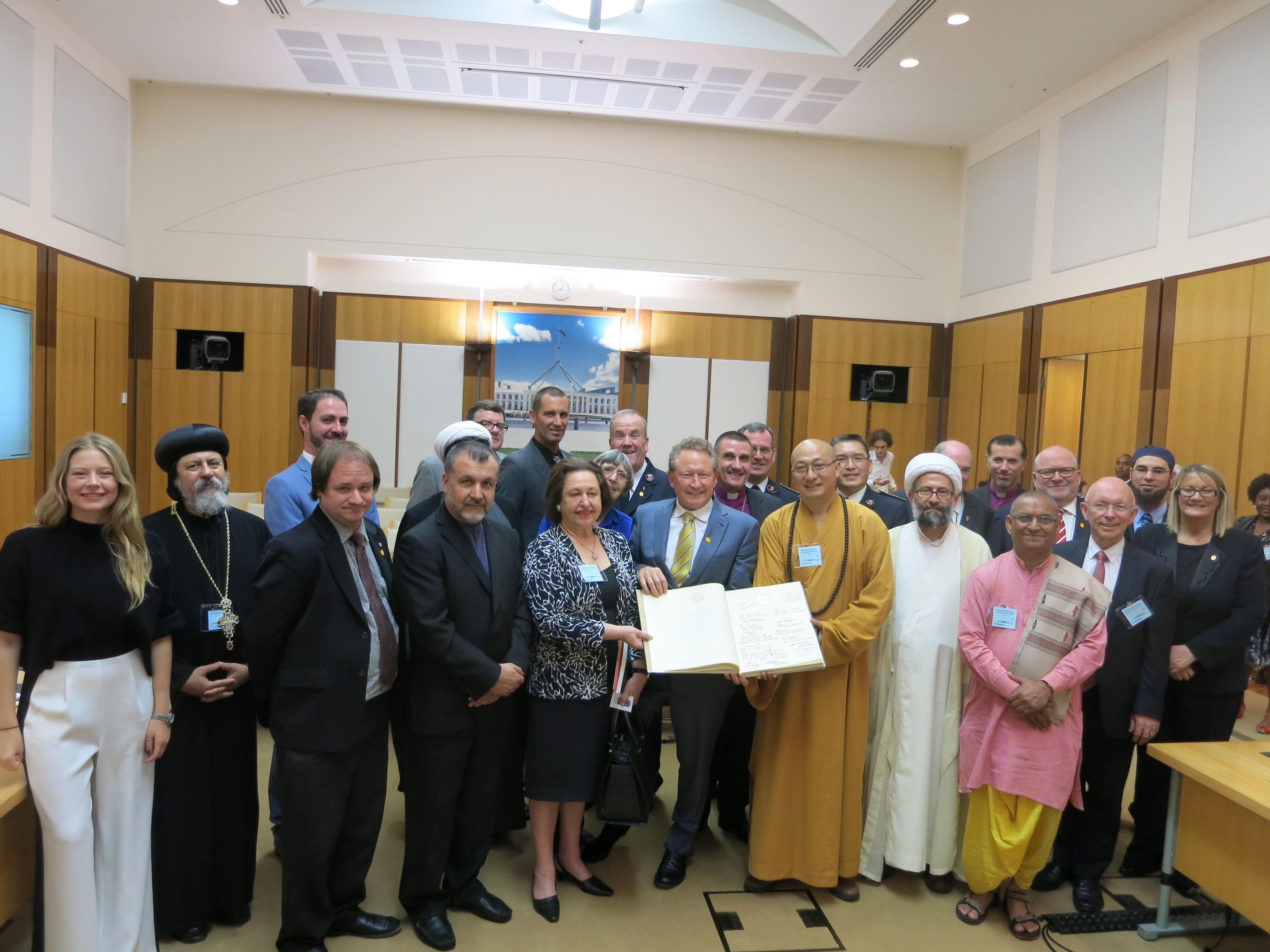
Today is International Day for the Abolition of Slavery ( 2 December 2015) and senior faith leaders will gather in Canberra at Parliament House to launch the Australian Freedom Network. The Australian Freedom Network will bring together the faith communities of Australia to make a public commitment to develop practical actions to eradicate modern slavery in our nation.
The Salvation Army’s trafficking and slavery safe house continues to support many enslaved people whose stories do not feature in the headlines. Sandra, a Freedom Advocate and survivor, is just one example of someone who was promised a better life in Australia only to be stripped of her autonomy.
Sandra was enslaved as a domestic worker in suburban Sydney for three years without pay after being promised a wage and permanent residency in Australia. Her slaveholders organised her travel to Australia, confiscated her passport and isolated her from the outside world whilst extracting her labour 24 hours a day 7 days per week.
They denied her health care, contact with her family and treated her as an object for their use and abuse.
“I thought I had been abandoned by God,” she has said.
Eventually, Sandra made the brave decision to ask someone for help and take a leap of faith into the unknown consequences of that decision. As a result, she made her way to The Salvation Army and is now an Australian citizen.
Even though Sandra’s slaveholders were not criminally prosecuted, we should still view her story as a success. Ultimately, since finding freedom she has been able to obtain purposeful work and is now an advocate for other survivors. She has shared her story so that we can all benefit from her experiences and insights.
Australian faith leaders have the opportunity create meaningful pathways out of slavery and into a situation of safety, choice and control. But like the wider community, our faith communities lack awareness of the scale and scope to which they may contribute to the enslavement of other people via products and services they use and consume.
Every day individuals purchase goods and services our workplaces and organisations may also use services that may be contributing to the exploitation and slavery of other human beings.
And, so, we are compelled by our faiths to call for transparency and accountability in corporate supply chains. We must do this until we all can be assured that the profits generated by free markets and free trade adequately evidence the production of goods and services by people who are free and being paid a living wage both here and overseas. This includes people whose migration status or visa conditions are being used to abuse their rights.
With the launch of the Australian Freedom Network, Australian faith leaders will send a clear message that slavery in all of its forms is not condoned by religion and we stand collectively against forced labour, human trafficking, debt bondage, servitude, servile and forced marriage.
Amongst our faith communities there is also hope, care and support for people who have experienced slavery to reclaim their freedom. And our message for those who are still enslaved in Australia: “you are not alone.”
James Condon, Commissioner
The Salvation Army Eastern Territory